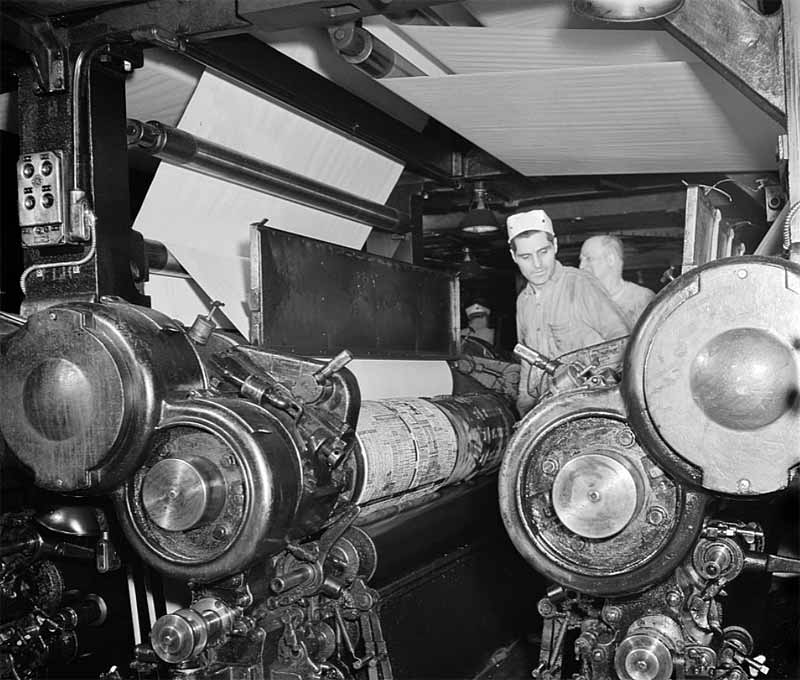
 In my day... there were far fewer sources of information than we have now. It was expensive to enter the market; publishing, radio, and television had a high barrier to entry due to the cost of hardware and staff needed to make it work. Today, the cost of entry to major systems, including the web, can be practically zero. Anyone can create a web site, podcast, or YouTube channel.
That's good - the gates are open to anyone who has something to share. But... access to more information isn't worth much if the information isn't true. So\\In the old days when publishing was expensive, the dominant publishers acted as gatekeepers, to ensure what they reported was true. This sometimes worked the other ways, like the circulation wars of the late 19th century that pitted Pulitzer against Hearst ("you supply the pictures, we'll supply the war"). Without gatekeepers, which have for the most part have gone away, pretty much anything gets printed these days. We have sources we can trust, and those who blatantly lie (Fox News, National Enquirer).
So how do we protect ourselves and restore truth? Learn their biases. No person or entity are without biases of some sort. You can use them as a filter or balancing agent. For instance, NPR provides excellent and fairly unbiased journalism. Their opinions tend to skew slightly to the left, so I keep that in mind, and can see the whole picture better. If you're going up against Fox or Alex Jones, all bets are off - but many people accept them as gospel truth, which is the problem. Perhaps the solution is better education and developing a skill for understanding biases.Like that's going to happen under the current political climate.
One thing many find disturbing is the decision of CBS to drop their radio news division. Their new head, Bari Weiss, is an unapologetic Trump sycophant. The problem at CBS started long before her, though. CBS was legendary for their news division, folks like Edward R. Murrow and Walter Cronkite set the gold standard for quality reporting. And CBS felt a responsibility to the public; in exchange for being allowed to make money selling entertainment, they let a responsibility to deliver journalism of the highest order. Then about forty years ago, they launched 60 Minutes, and discovered the news could be profitable. The shift was gradually towards ratings rather than hard news, and it was followed by other "magazine" type news programs, and "reality" shows. People stopped having as much trust in the news. Today, even the White House press secretary can tell blatant lies with little fear of criticism from the cowering reporters.
So what can we do? It's hard to compete with capitalism, but we can train ourselves to seek the truth. Seek out quality sources for a start - NPR, PBS, NY Times, Washington Post, Reuters, AP are all excellent sources. They all have a bit of bias, and if you keep that in mind, it becomes easily to act as your own filter. Don't assume anything you see is true, especially from sources you do not know. Be careful about reposting anything you see on social media, it is overridden by bots and bad actors.